

Pepino Melon – Ginseng Fruit – Chinese
Pepino Melon – Ginseng Fruit – Chinese
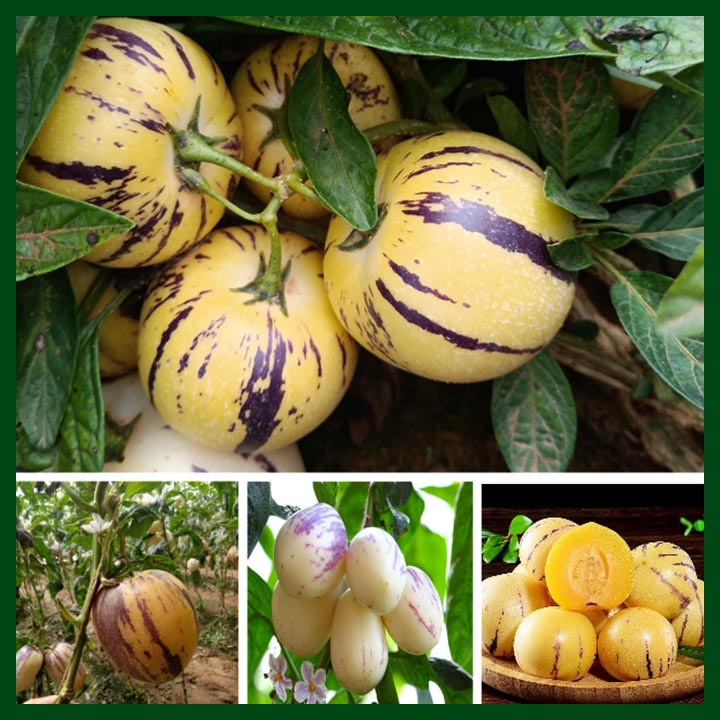
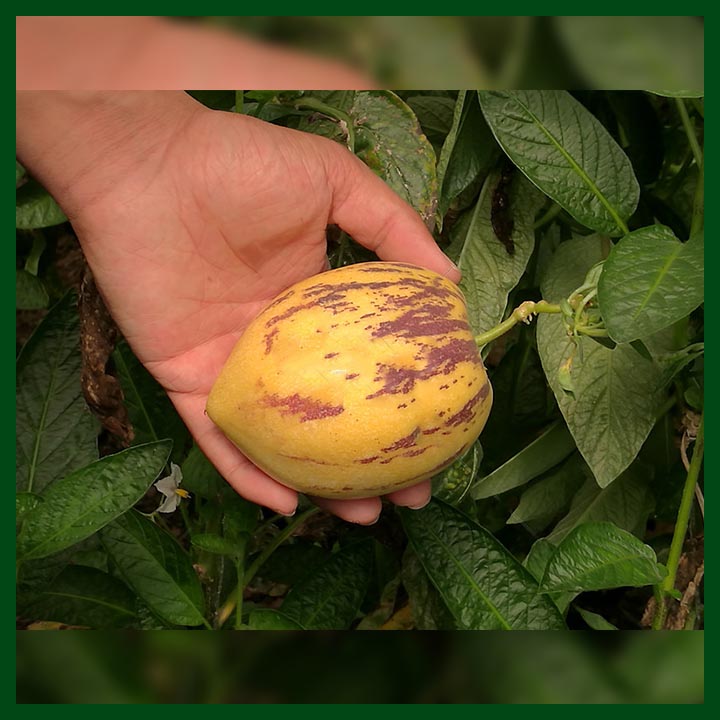
Description Pepino Melon (Ginseng Fruit) Price: 200 Taka / packet Brand: Somatic Seed Origin: China **Seed quantity is not mentioned on the packet but it contains enough seeds for gardening Germination Rate (Approx.): 85% Physical Purity (Min): 98% Genetic Purity (Min): 98% Scientific Classification Scientific Name: Solanum muricatum Family: Solanaceae Common Names: Pepino Melon, Pepino Dulce, Melon Pear, Sweet Cucumber Native Region Andes Mountains of present-day Peru, Colombia, Ecuador and Chile. Germination Temperature Recommended Range: 22–25°C (Ideal) Acceptable: 20–28°C Below 18°C germination becomes slow and erratic. Germination Time Average: 10–21 days Typical: Fast germination: 7–14 days Normal germination: 14–21 days For Bangladesh: Expect 12–18 days under ideal conditions. Plant Height, Span & Seed Depth Height 80–120 cm Occasionally 150 cm Plant Spread 90–150 cm Seed Sowing Depth 0.5 cm Maximum 1 cm Plant Spacing 24–36 inches (60–90 cm) Row Spacing 30–40 inches (75–100 cm) Trellis Requirement Not mandatory but strongly recommended. Benefits: Cleaner fruits Better air circulation Reduced disease Easier harvesting Best support: Tomato cage Bamboo tripod Vertical trellis Seed to Harvest Time From Seed: 120–180 days From Cutting: 90–120 days Average Bangladesh:: 4–6 months Seed to Bloom Time Approximately: 60–100 days Cuttings: 45–75 days Pot Size Ideal Container Diameter: 18–24 inches Depth: 16–18 inches Volume: 40–60 liters For rooftop gardening: 24-inch drum-type container preferred Soil Type & pH Ideal Soil Well-drained loamy soil Rich in organic matter High aeration Ideal pH: 6.5–7.5 Best: 6.8–7.2 Sunlight Requirement Germination Light: Not essential. Temperature is more important. Mature Plant Minimum: 6 hours direct sunlight Ideal: 8–10 hours Bangladesh rooftop: Full sun with slight afternoon protection during May–June. Water Requirement Plant Size Water Seedling 0.2–0.5 L/day 30 cm plant 1–1.5 L every 2 days 60 cm plant 2–3 L every 2 days Fruiting plant 3–5 L every 1–2 days Avoid waterlogging. Essential Nutrients Target Nutrient Ratio Vegetative Stage NPK: 4-2-3 Flowering/Fruiting NPK: 3-5-8 Organic Sources Nutrient Organic Source Nitrogen Mustard Cake, Horn Meal, Vermicompost Phosphorus Bone Meal Potassium Compost Calcium Oyster Shell Powder Magnesium Epsom Salt Micronutrients Trichocompost Organic Fertilizer Program (24-inch Pot) At Planting Trichocompost = 1 kg Vermicompost = 1 kg Cow Dung Compost = 2 kg Bone Meal = 150 g Horn Meal = 100 g Neem Cake = 150 g Oyster Shell Powder = 100 g Every 30 Days Vermicompost = 500 g Cow Dung Compost = 500 g Mustard Cake Powder = 50 g Neem Cake Powder = 50 g Every 45 Days Bone Meal = 50 g Every 30 Days Epsom Salt = 10 g dissolved in 2 L water Chemical Fertilizer Schedule Vegetative Stage Per plant/month Urea = 10 g TSP = 10 g MOP = 10 g Flowering Urea = 5 g TSP = 15 g MOP = 20 g Fruiting Urea = 5 g TSP = 10 g MOP = 25 g Split into two applications monthly. Rooftop Potting Mix (Perfect Bangladesh) Recommended Mix Ingredient % Loamy Soil 30 Coconut Coir Dust 15 Cow Dung Compost 15 Vermicompost 10 Trichocompost 5 Brown River Sand 8 Perlite 5 Coconut Husk 3 Wood Bark 2 Wood Charcoal 2 Cinder/Jhama 3 Oyster Shell Powder 1 Neem Cake Powder 1 Produces: Excellent drainage High aeration Good nutrient retention Suitable for Dhaka rooftops Companion Plants Good companions: Basil Marigold Garlic Onion Chives Parsley Lettuce Spinach Avoid: Potato Eggplant Excess tomato crowding Fruit Taste Sweetness Rating: 8.5/10 Flavor resembles: Honeydew melon Pear Cantaloupe Mild cucumber Leaf Taste Leaves generally not consumed. Taste: 2/10 Slightly bitter. Pests Pest Chemical Organic Aphids Imidacloprid Neem Oil Whitefly Thiamethoxam Yellow sticky trap Spider Mite Abamectin Neem oil Mealybug Buprofezin Alcohol swab Diseases Disease Chemical Organic Powdery Mildew Sulfur Baking soda spray Early Blight Mancozeb Trichoderma Root Rot Metalaxyl Trichocompost Leaf Spot Copper Oxychloride Neem extract Harvest Maturity Signs Harvest when: ✓ Creamy yellow skin develops ✓ Purple stripes become pronounced ✓ Sweet aroma present ✓ Fruit slightly soft ✓ Fruit detaches easily Monthly Yield for Family of Four Assuming occasional use as fruit: Recommended: 4–6 kg/month Requires: 3–4 productive plants. Average Yield Per Square Foot Approximately: 0.8–1.5 kg/sq ft per season Good management: 2 kg/sq ft Average Lifespan Perennial shrub Productive: 3–5 years Can survive: 5–8 years Nutritional Values (100 g) Calories: 26–35 kcal Water: 90–92% Carbohydrate: 6–8 g Fiber: 1–2 g Vitamin C: Moderate Potassium: Good Beta-carotene: Moderate Health Benefits Supports hydration Rich in antioxidants Supports immunity Helps digestion Low-calorie fruit Popular Recipes Bangladeshi Pepino Fruit Chaat Pepino Mixed Fruit Salad International Pepino Smoothie Pepino Salsa Best Germination Month in Bangladesh Considering recent climate patterns: Best: October November February Acceptable: December January Avoid: May–July extreme heat Average Seeds Per Gram Research comparison suggests: 180–250 seeds per gram Average: 220 seeds/g Best Propagation Method Stem Cuttings Success: 90–95% Rooting: 7–21 days Preferred worldwide. Storage Fruit Room Temperature: 5–10 days Refrigerator: 3–4 weeks Leaves Not commonly stored or consumed. Specialties Fruits taste like melon and pear combined. Botanically related to tomato and potato. Can fruit for several years. Quotes “A ripe Pepino is nature’s blend of pear sweetness and melon fragrance.” “Among rooftop fruits, Pepino rewards patience with golden striped treasures.” Few Lesser-Known Facts Pepino is technically a berry. Many commercial plants are propagated only by cuttings. Fruit can develop without pollination but yields improve with pollination. Native Region Western South America (Andean region). Origin Story Pepino was domesticated by pre-Columbian Andean civilizations thousands of years ago before European contact. It was cultivated extensively in Peru and Ecuador long before tomatoes became globally popular. Reference Sources PlotMyGarden Pepino Guide Growables Pepino Information Greg App Pepino Lifecycle Guide 123Seeds Pepino Cultivation Data Gardenish Solanum muricatum Encyclopedia Seeds and Plants Growing Pepino Melon Edible Plant Database Solanum muricatum AmongSeeds Pepino Seed Guide Botanikks Solanum muricatum Propagation Guide Disclaimer: The germination percentage given above is mentioned in the packet by that particular brand. We are not responsible if the results differ from the information stated. In general, successful germination of seeds depends on lot of variables like, germination temperature, planting media, present weather condition of the area where you are planning to grow that particular item, soil pH, watering, sunlight, process and validity. So before complaining about the quality of seeds of any particular brand, kindly try all possible methods maintaining all conditions. #70T #Pepino #melon #ginseng #fruit #Chinese #somatic #Flower #F1 #Hybrid #Color #Plant #Rooftop #seeds #Balcony #online #store #shop #company #my #garden #bd #mygardenbd #nature #ছাদ #বাগান #টব #গাছ #বীজ #in #Dhaka #Bangladesh #PepinoMelon #PepinoDulce #MelonPear #SolanumMuricatum #ExoticFruit #RooftopGardening #ContainerGardening #UrbanFarming #HomeGarden #TropicalFruit #FruitGarden #OrganicGardening #EdibleGarden #BangladeshGardening #GrowPepino #RareFruit #FruitLover #GardenLife #HealthyEating #Permaculture #পেপিনোমেলন #পেপিনো #মেলনপিয়ার #ছাদকৃষি #বাগান #ফলচাষ #জৈবচাষ #কন্টেইনারগার্ডেনিং #শহুরেকৃষি #বাংলাদেশকৃষি #ফলবাগান #গাছপ্রেমী #বাগানপ্রেমী #ফলচাষী #টবেকৃষি #ছাদবাগান #অর্গানিকগার্ডেনিং #ফলপ্রেমী